What is the difference between an Insulin Syringe and a Tuberculin Syringe?
Syringes are medical instruments that help inject medications into or withdraw fluids from the body. These syringes have been used for several medications since the 17th century and can help in the effective medication and treatment of patients. Although all of the syringes help to inject medications yet there are some differences in these syringes. These differences can range from the designs of the syringes and needle sizes to their calibrations. Today we are going to discuss the basic differences between an insulin syringe and a tuberculin syringe.

What is an insulin syringe used for?
Insulin syringes are used by patients suffering from diabetes to take insulin. This insulin can be given to the patient using a patch, an inhaler, a pen, a syringe, or a port. Contrary to insulin pens or insulin pumps, insulin syringes withdraw insulin from a vial before giving the injection.
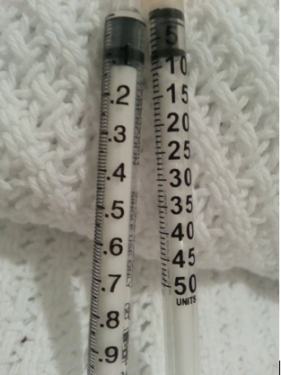
Insulin syringes are widely available and cost-effective. These syringes can also be very small in size and instead of calibrating in millimeters, these syringes are calibrated in units and are calibrated up to hundred units.
An insulin syringe is used to administer a subcutaneous injection and in most cases, the injection is often self-administered.
Key features:
- Volume: Typically 1 mL (holds up to 100 units)
- Calibration: Marked in insulin units (e.g., 30, 50, 100 units)
- Needle gauge: Very fine (28G to 31G) for subcutaneous injection
- Use case: Daily insulin administration for diabetes management
What is a tuberculin syringe used for?
A tuberculin syringe is generally used in tuberculosis testing or TB tests. The contents of the syringe are injected into the skin of the patient. Tuberculin is a sterile solution of an extract from the tubercle bacillus that is used to test for tuberculosis infection.
Tuberculin syringes are used to inject this tuberculin into the skin. Tuberculin is available in three forms including powder, liquid, and, tablet. When injected into the body, tuberculin stimulates the immune system to fight tuberculosis.
Tuberculin syringes are calibrated in millimeters instead of units and can typically hold up to 1 mL of fluid. These syringes have a thin barrel and a pre-fixed needle. Sometimes a tuberculin syringe is used to inject insulin as these are more accurate than other types of needle and are helpful in preventing overdose.
Key features:
- Volume: Usually 1 mL
- Calibration: Marked in milliliters (mL), not units
- Needle gauge: Slightly thicker (25G to 27G)
- Use case: TB testing, allergy tests, or small-dose medications
What are the differences between an insulin syringe and a tuberculin syringe?
Although both insulin and tuberculin syringes are used to inject medications yet there are some differences these syringes have. These differences are based on the design of these syringes, the syringe sizes of both syringes, the needle size used in both these syringes, and the calibrations of the syringes. Some of these key differences are described below.
- Design of the syringes
The most basic difference between an insulin syringe and a tuberculin syringe is that an insulin syringe is designed for subcutaneous injections which means an injection between the muscle and the muscle whereas a tuberculin syringe is used for intramuscular injections. Therefore these two types of syringes are designed for different types of injections and are not interchangeable.

- Needle size and calibrations
Another difference that distinguishes an insulin syringe from a tuberculin syringe is the needle size of these syringes. The length of the needle used in the syringe is highly significant as it helps in the proper administration of the medication.
For example, for the correct delivery of insulin in the subcutaneous layer which is the layer between the skin and the muscle, the correct needle length should be used. If the needle used for insulin delivery is too long then the insulin will be delivered to the muscles and if the needle is too short the insulin will be delivered into the dermis layer or skin.
As insulin syringes are designed to be used with insulin, these syringes have a smaller needle size than a tuberculin syringe.
Also, in order to inject the correct dose of insulin, the insulin syringes are calibrated in units of insulin. The tuberculin needles are often 26 to 27 gauge in diameter and 1/2 to 5/8 inch in length whereas the insulin syringes are from 29 to 31 in gauge and are from 5/16 to 1/2 inches in length.
On the other hand, tuberculin syringes have a larger needle size than an insulin syringe help to inject other medications including antibiotics. Also, the tuberculin syringes are not calibrated in units of insulin.
Syringe sizes
Tuberculin syringes can hold up to 1 mL of liquid and are sterile and latex-free. These syringes help to deliver a specific amount of liquid with the help of the needle and can be used for subcutaneous or intradermal injections of medicines, vaccines, or other substances. These syringes can have different needle sizes that can include short, fine-gauge needles, Luer-lock, or, slip needle hubs.

On the other hand, insulin syringes are available in at least three sizes that help provide the different amounts of insulin as prescribed by the doctor. The barrel size of the syringe determines how much medication it can hold. These basic sizes of insulin syringes are as follows:
– 0.3 milliliter syringes
These syringes are suitable for use with less than 30 units of insulin.
– 0.5 milliliter syringes
These syringes help to provide 30 to 50 units of insulin.
– 1.0 milliliter syringes
These syringes are used for more than 50 units of insulin.
Which syringe size should be used depends on the dose of insulin that the patient is prescribed.
Comparison Table: Insulin vs. Tuberculin Syringe
|
Feature |
Insulin Syringe |
Tuberculin Syringe |
|
Volume |
1 mL |
1 mL |
|
Calibration |
Units |
Milliliters (mL) |
|
Needle Gauge |
28G–31G (finer) |
25G–27G (thicker) |
|
Intended Use |
Insulin injection |
TB test, small-dose meds |
|
Risk of Confusion |
High |
High |
Why Confusing Them Is Dangerous
Using a tuberculin syringe for insulin can result in incorrect dosing, since mL and units are not interchangeable. For example, 0.5 mL in a tuberculin syringe might be misinterpreted as 50 units of insulin—potentially leading to an overdose.
Always verify:
- The labeling on the syringe
- The calibration marks
- The intended use from your healthcare provider
Pro Tips for Safe Use
- Store syringes in clearly labeled containers
- Never reuse syringes
- Dispose of used syringes in a sharps container
- Consult a pharmacist or nurse if unsure about syringe type
Frequently Asked Questions
Can you use a tuberculin syringe for insulin?
No. Tuberculin syringes are calibrated in milliliters, not insulin units. Using them for insulin can result in serious dosing errors.
Are insulin syringes available in different sizes?
Yes. Common sizes include 30-unit, 50-unit, and 100-unit syringes, depending on the patient’s dosage needs.
Do both syringes require prescriptions?
In many regions, insulin syringes may require a prescription, while tuberculin syringes are often used in clinical settings.
Conclusion
Insulin syringes and tuberculin syringes are used to inject medications. While an insulin syringe helps to inject insulin in patients suffering from type 1 and type 2 diabetes, the tuberculin syringes are used to inject tuberculin, a sterile solution of an extract from the tubercle bacillus, into the skin. It is done for tuberculosis tests.
Although both are used to inject medications, there are some basic differences between these syringes. These differences include the different designs, needle and syringe sizes, and, calibrations. The tuberculin and insulin syringes should be used properly and carefully for administering medication.
Also, the correct type of syringe for the patient should be considered carefully by the medical staff according to the requirements of the patient and the doses prescribed.
Disclaimer
This article is for informational purposes only and does not substitute professional medical advice. Always consult your healthcare provider before making decisions about medical devices or treatments.